Undergraduate Work: Civil War Research
Fulfilling the Pension Promise
How the Pension Bureau Created Opportunity for Black, Immigrant, and Native-Born White Veterans, by Jackson Tucker Carpenter
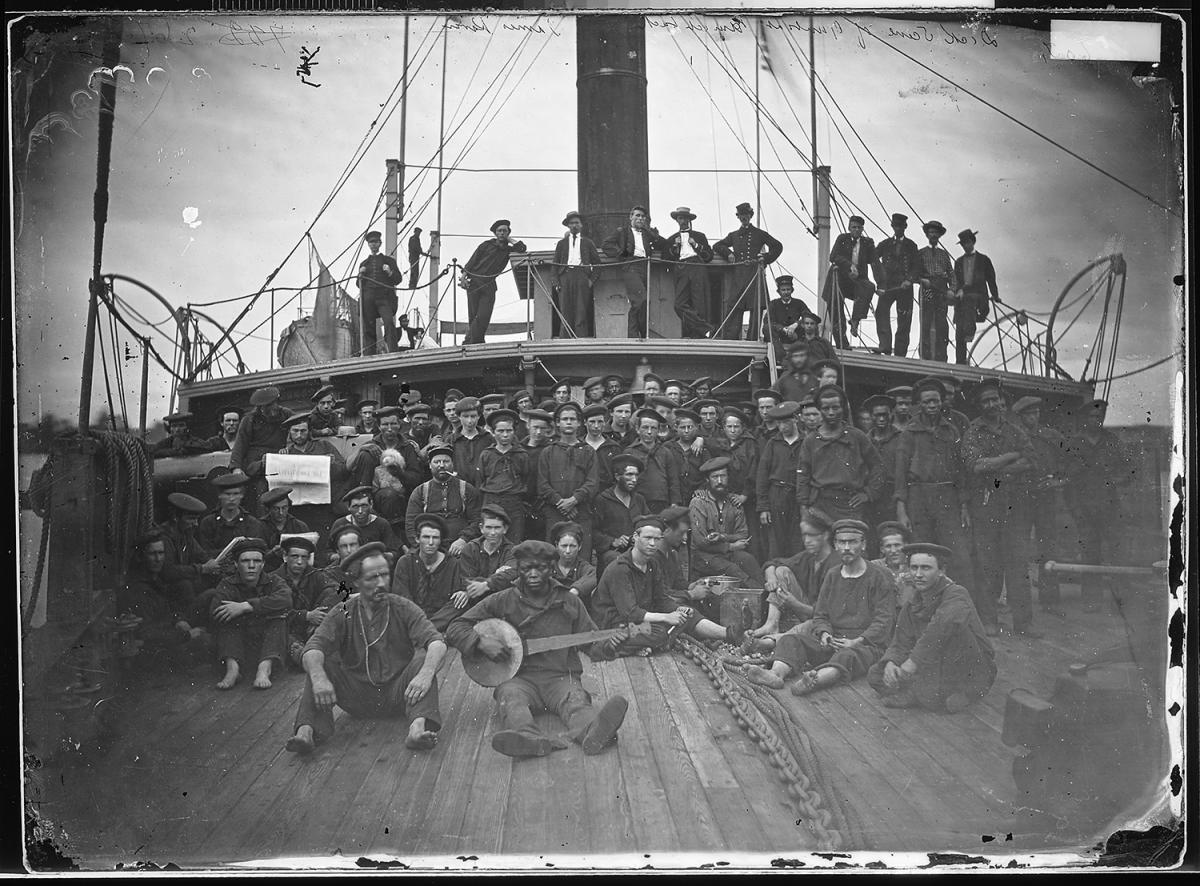
I love Civil War history. My dream is to be a professor of American history with the Civil War being my focus. Needless to say, my hero is Ulysses S. Grant, I’ve read books about Vicksburg, seen Gettysburg (the movie), and forced my girlfriend to see the 54th Massachusetts Memorial in Boston. I’m far from alone in my interest, as the Civil War has cemented itself as one of American historiography’s most studied fields. However, the Navy and its sailors have been largely disregarded and forgotten. Bluejackets in general are disregarded, but Black sailors and Immigrants have even less people who care for their stories.
This was my inspiration, largely because I myselfhad only recently thought of the Navy because of Dr. Gudmestad. These men were just as muchheroes of the union and liberators of their fellow man as their Native-Born white counterparts, their stories hold valuable insight to this era of history too. So,I set out to hear their stories by using Navy Pension records asmy main tool. These men are heroes in my eyes, but I feared they experienced no such fandom in this violently unequal era. I wanted to see if their service helped them asthey deserved. How did their service affect their post-war opportunity for advancement, manhood, and their pursuit of happiness in a time where Black men and Immigrants had every disadvantage? Did the government do right by these men, in realizing the pension promise which was one of the most quixotic and progressive plans in American history?

To explore these stories,I created a microhistory of the USS Carondelet,a boat in the Mississippi Squadron,and searched every available pension connected with that boat. In doing so I was able to cross-reference experiences from all sailors; this way I could see how different groupswere treated by the bureau and if some groups were presented withmore opportunitycomparatively.
I originally planned to work as much on this project as I would in a class, but it soon became a full-time job. I worked on it about every dayfor one semester, stopping when I had readthe last Carondelet pension. I learned so much along the way, especially about disregarding things right in front of me. I wanted to look intothe disregarded stories of the Navy, and I used pensions as a tool for that. However, I soon realized I was overlooking the most interesting part of my project, pensions themselves. I switched my topic from postbellum opportunity to the opportunitythatpensions provided. Pensions were not just a tool to see their lives, but an integral part of their lives.
I found many inspiring stories along the way,about these heroes. I saw an Irish immigrant fall in love and get married. I saw him jump into action to save the life of a woman without a second thought. I saw another immigrant go from a store clerk to a sailor and from a sailor to a prospector in Leadville, losing a finger in a fight. I sawayoung white boy spend his free afternoons at a school to help outhis injured Civil War Veteran, Chinese immigrant, school janitorwith his work out of the kindness of his heart.
This project became more than a project,it became a passion. Maybe I’lleven commemorate this project by getting a tattoo of the American Coat of Arms, just like my Irish immigrant hero.
![A man knows a man "Give me your hand, comrade! We have each lost a leg for a good cause; but,thank God, we never lost heart.". Gettysburg Pennsylvania United States, 1865. [New York: Harper & Brothers] Photograph.](https://history.colostate.edu/wp-content/uploads/sites/92/2025/07/Quote-Photo-300x300.jpeg)
thank God, we never lost heart.”. Gettysburg Pennsylvania United States, 1865. [New York: Harper &
Brothers] Photograph.
THE PENSION BUREAU’S IMPACT ON BLACK AND IMMIGRANT VETERANS
The outcome of this project shook my pessimistic hypothesis. After compiling sheets of statistics about compared lifespan, income, retirement rate, mobility, and reading
books worth of their stories I found that the Pension Bureau largely achieved its quixotic, yet amiable, goal of extending aid to people regardless of race, ethnicity, or background. I found a polished and successful system in the midst of an era infamous for its discrimination and failures.
“It is important to understand the failures of equality in these times, as there are many, but it is just as important to see the successes.”
The Pension Bureau was not perfect, but in the end, I found Black and Immigrant veterans to be just as likely to receive their well-deserved aid as Native-Born White veterans. They doubled the average retirement rate, exceeded the average lifespan, and achieved higher status because of the aid they were given from the Pension Bureau.
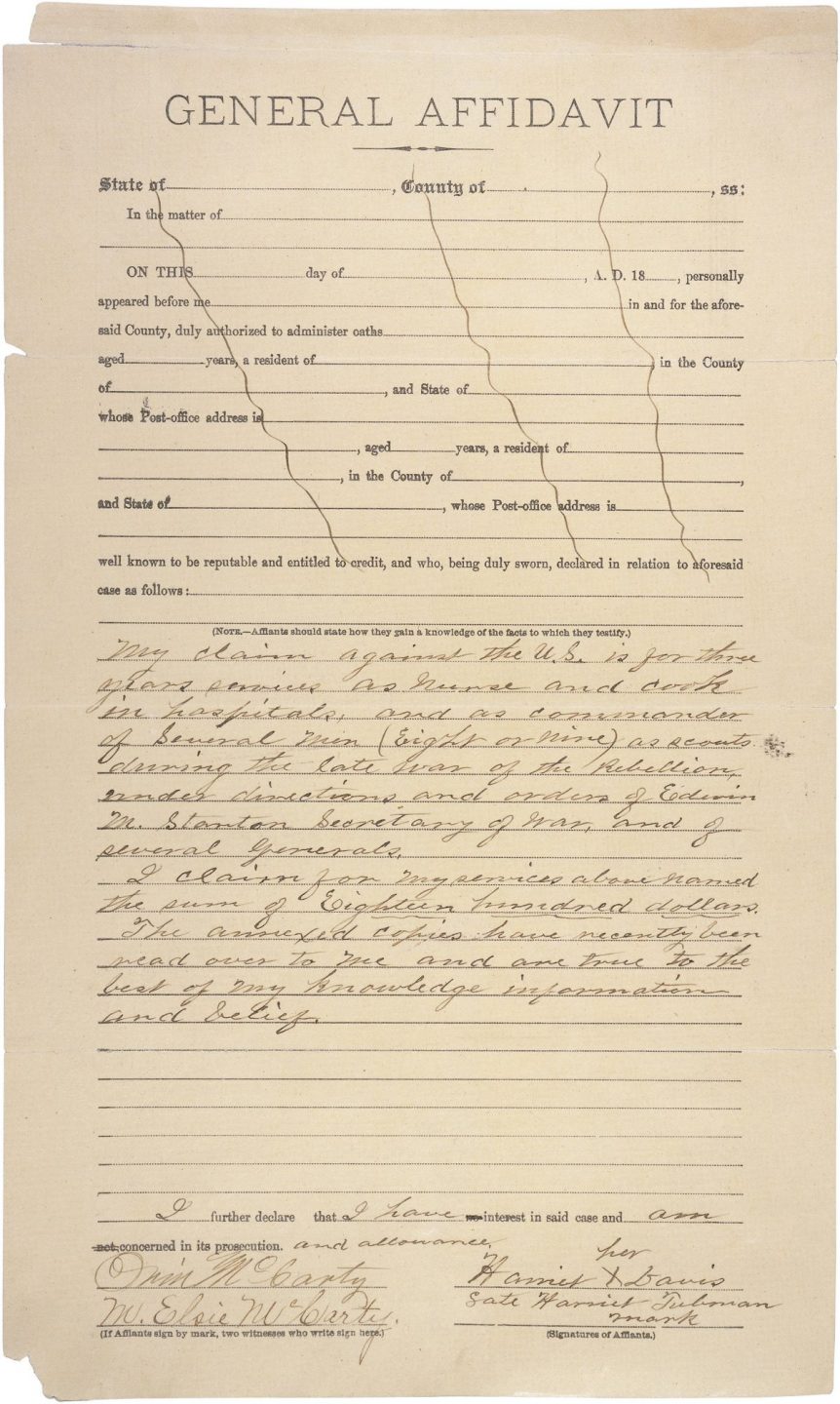
I was astonished at the progressiveness, and it well-exceeded what I thought was possible in this era. This was one of the most progressive systems in American history, and I would argue also the first real social security and welfare system. An astonishing thirty-three percent of the federal budget went to pay these men. It is important to understand the failures of equality in these times, as there are many, but it is just as important to see the successes.
This should continue to be studied, as it has major impacts on what we know about this era as well as what the foundations of current affairs such as social welfare and the Veterans Administration. I presented this project at the 2025 Civil War Bluejackets Conference in Annapolis, Maryland and hope to present it at other conferences in the future. This also got me in contact with a professor doing similar work at the University of Massachusetts. I will continue this sort of work as a Historical Consultant on his project.