Undergraduate Work: Colorado Coal Mining
The Kings of Coal are dying
Preservation of Coal Mining history in Colorado
Coal mining has played a significant role in shaping the economy and culture of Southern Colorado. The region’s coal mining history dates to the late 19th century, when the discovery of rich coal led to the establishment of numerous mining towns, such as Trinidad and Walsenburg. By the early 1900s, Southern Colorado became a key player in the coal industry and the American West, supplying fuel for the railroad and steel industries.

Preserving the history of coal mining in Southern Colorado is essential for a number of reasons. It is mainly to honor the legacy of the miners and their families who worked tirelessly in challenging conditions to support their communities. Many miners faced dangerous working environments, and their sacrifices deserve recognition and respect.
I have interviewed a few miners who still live in the Trinidad area, and through their stories, you can find a deeper understanding of their struggle and pain. To read stories from some of these miners, read Kings of Coal: An Oral History with Mining Old Timers on the CSU Public and Environmental History Website.
From Pueblo to Trinidad, the whole of Southern Colorado is overlooked by the state. I hope that, in the future, people realize how important Southern Colorado and coal mining are to the history of Colorado.
“…coal mining history serves as a reminder of the past and a guide for the future.”
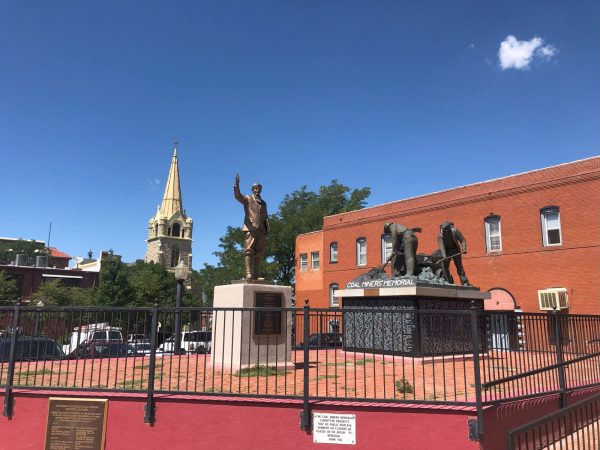
I urge those who may read this to take a trip to Pueblo, Walsenburg, Trinidad, or any town in Southern Colorado. Go to the museums and understand what these men and women went through to build these communities for those who traveled across states and countries to come to these coal towns to build a life in America. In this way, coal mining history serves as a reminder of the past and a guide for the future.
The Canary Doesn’t Sing
Canary birds were used by miners to warn them of potential disasters. If a tunnel collapsed or was blocked, diminishing the oxygen supply, the canary would be the first to react, usually by dying. This alerted the miners to trouble and to vacate or put on oxygen masks immediately. The yellow songbird saved countless lives.
Thankfully, due to modern technology, there are better ways of detecting oxygen deficiency or possible disasters in the mines. The canary symbolizes hope and danger through song. If it sang, the miners were safe; if it stopped, there would be danger ahead.

Songs have been an essential tool for representing coal miners and keeping their memories alive. Many popular songs like “Sixteen Tons” by Tennessee Ernie Ford and “Coal Miner’s Daughter” by Loretta Lynn, represent the struggles of being a miner.
During labor strikes and union movements, miners sang songs about their ill-treatment by mining companies. Though many of these songs were sung during the movements, some were sung after violence had ensued.
“Ludlow Massacre” by Woody Guthrie is a country song recalling the Ludlow Strike of 1913-1914 events leading to the massacre on April 20th, 1914. The Colorado National Guard and CF&I malitia attacked about 1,000 miners under the United Mine Workers of America (UMWA), resulting in the deaths of twenty people, including eleven children. Woody Guthrie sings the song from the perspective of a coal miner at Ludlow.
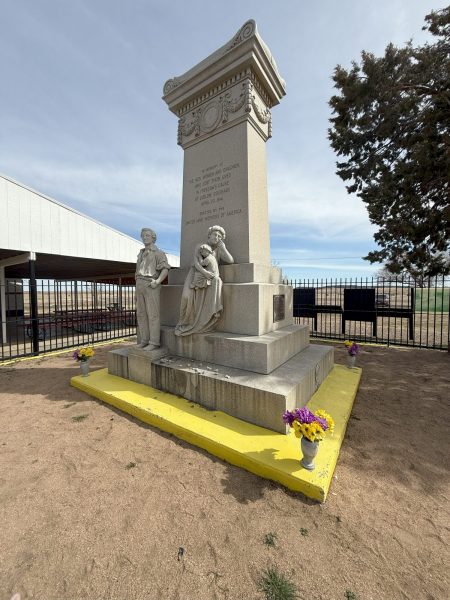
That very night your soldiers waited,
Until all us miners were asleep,
You snuck around our little tent town,
Soaked our tents with your kerosene.You struck a match and in the blaze that started,
You pulled the triggers of your gatling guns,
I made a run for the children but the fire wall stopped me.
Thirteen children died from your guns.-Ludlow Massacre Words and Music by Woody Guthrie
In talking with many miners who worked in Trinidad, like my grandfather Kelly Vecellio and those whose families have worked in mines for generations, many of these songs ring true to their experience.